
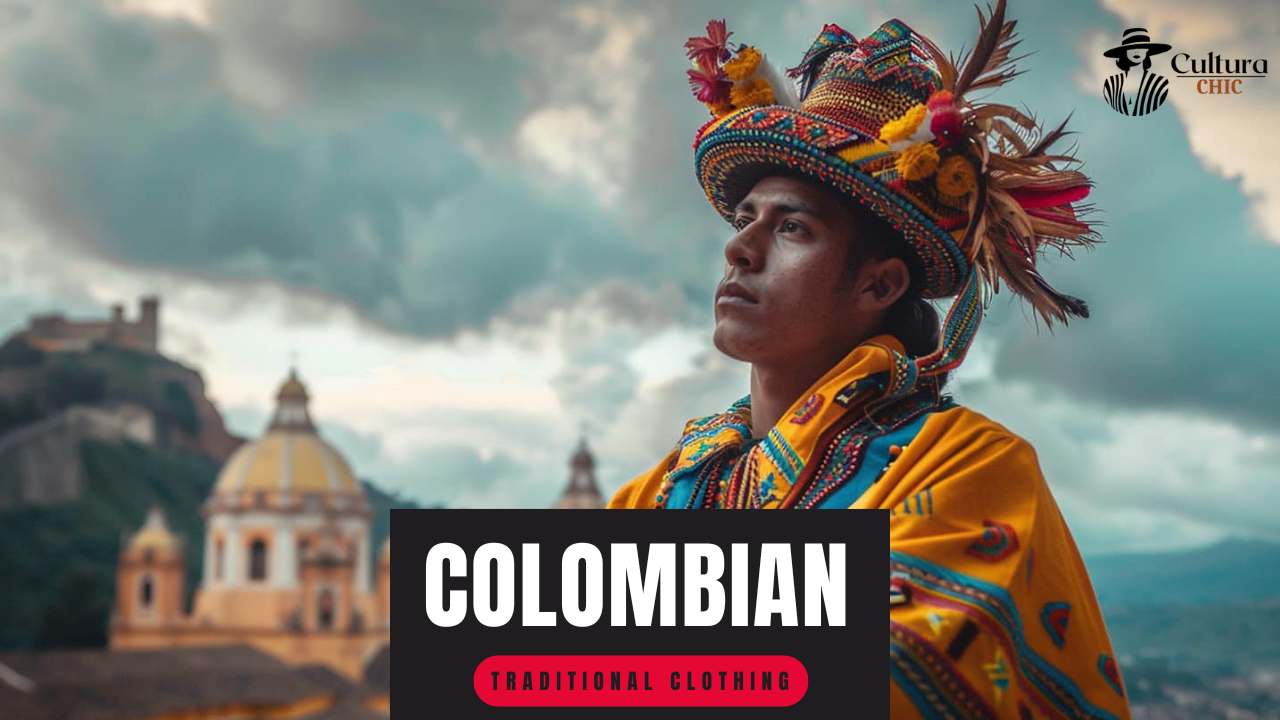
Traditional Colombian Clothing is a vibrant expression of identity, shaped by centuries of cultural blending, geographic diversity, and indigenous craftsmanship. From the breezy shores of the Caribbean to the misty mountains of the Andes, each region adds its own style to Colombia’s national dress.
These outfits aren’t just for show—they hold meaning in festivals, rituals, and everyday life. Colombian Clothing folk costumes, Indigenous Colombian Clothing outfits, and Afro-Colombian attire reflect the heartbeat of communities through color, rhythm, and heritage. Whether it’s a flowing Pollera dress Colombian Clothing or a handcrafted Sombrero Vueltiao, traditional fashion in Colombia reveals a legacy stitched with pride, resistance, and celebration.
A Brief History of Traditional Colombian Clothing
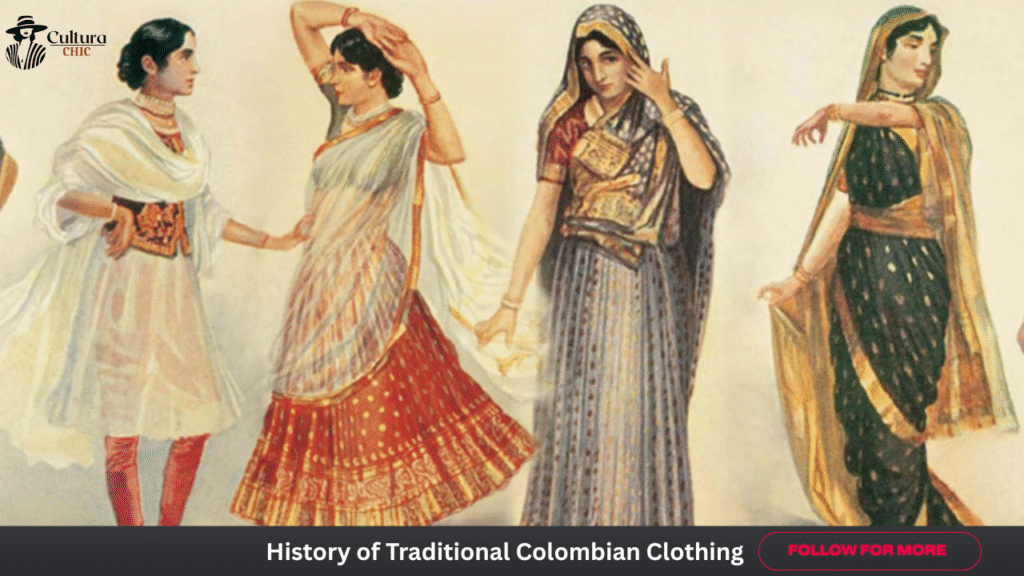
The history of traditional Colombian clothing goes back hundreds of years. Indigenous people used natural materials like cotton, tree bark, and wool to make their clothes. Each tribe had its own way of dressing. Their designs and meanings, and clothes were used for rituals, celebrations, and daily life. Later, when the Spanish arrived, styles began to mix. The result was a blend of Indigenous and European fashion that created what we now call Colombian Clothing ethnic.
Over time, Colombian folk costumes became symbols of each region. These styles changed based on climate, location, and traditions. People in colder areas wore ruanas and ponchos, while those near the coast preferred light, bright fabrics. Clothing evolved with society, but always kept its cultural roots. Today, Colombian national dress still shows this beautiful history and pride.
The Cultural Significance Behind Colombian Clothing Attire
Clothing in Colombia means more than just covering the body. It reflects joy, culture, and belonging. Whether it’s a colorful pollera in a dance or a ruana on a farmer in the mountains, each item says something special. The cultural significance of Colombian Clothing is tied to music, religion, festivals, and family.
Colors also hold meaning. Red often shows love and fire, while white means peace. Colors and meaning in Colombian costumes are seen during national celebrations and community events. For many, dressing in traditional clothes is a way to honor the past and celebrate the future.
Iconic National Costumes of Colombia
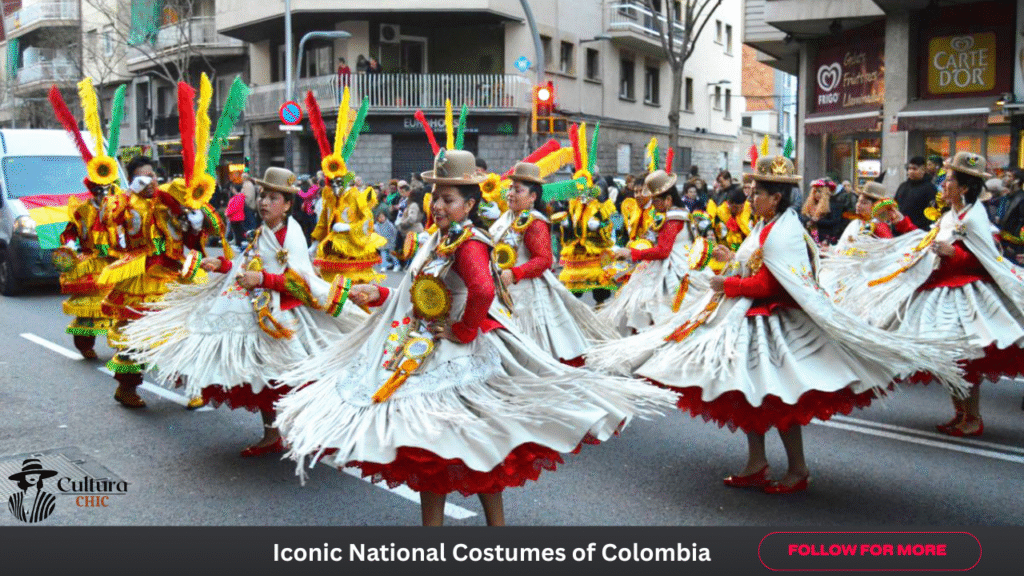
Some outfits in Colombia are famous across the world. The Pollera dress Colombia is a wide, flowing skirt, usually worn with a matching blouse. It’s common in festivals and dances, especially in coastal regions. Another icon is the Sombrero Vueltiao, a handwoven hat made from cane fibers. It is a national symbol and part of many Colombian national holiday costumes.
These outfits are full of life. They are worn at parades, in schools, and on national days. They help people feel proud of their roots and show others the beauty of Colombian heritage wear. From cities to villages, these costumes are a celebration of identity and tradition.
Colombian National Costumes for Women
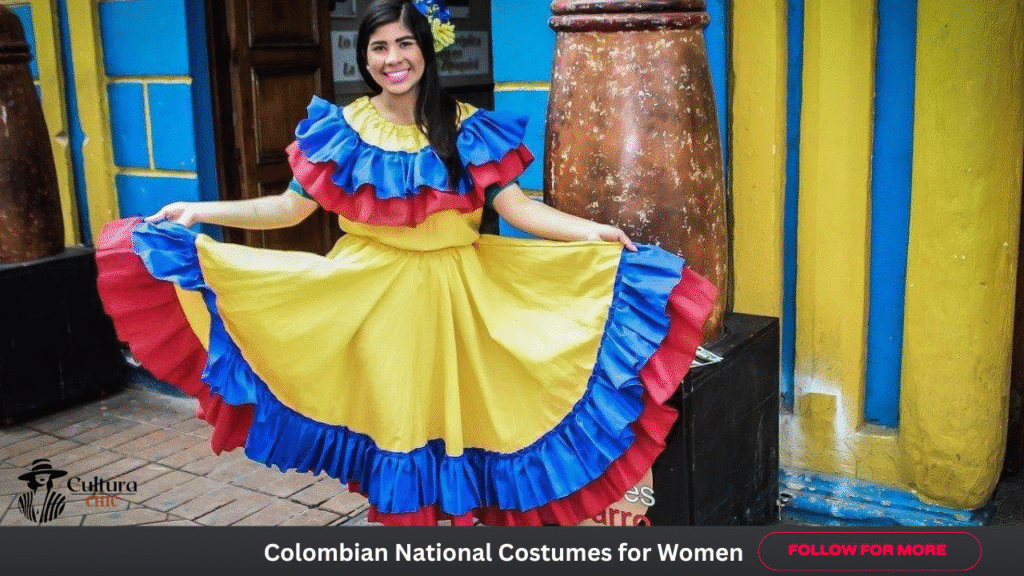
Traditional Colombian dresses for women are colorful, soft, and full of detail. The pollera is the most famous. It’s often decorated with flowers, lace, and bright colors. In some areas, women also wear shawls, headpieces, or sashes. These designs reflect beauty, femininity, and regional pride.
Each area has its own twist on the pollera. Some are wide and long; others are shorter and simpler. The materials can be cotton, silk, or linen. It depends on the climate and event. These outfits are not only beautiful but also comfortable and meaningful.
Colombian National Costumes for Men
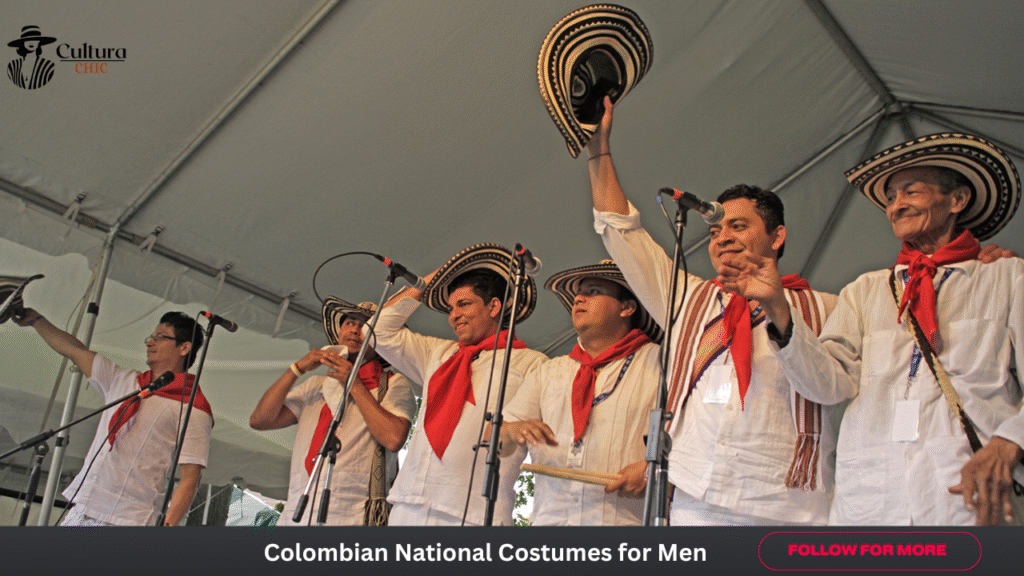
Men in Colombian Clothing wear simpler yet strong outfits. In many areas, they wear white shirts and pants with a red scarf. The Sanjuanero costume includes a special painted hat. In the mountains, men wear ruanas—wool ponchos that keep them warm.
Men’s clothes may not be as bright, but they are just as symbolic. They show strength, heritage, and tradition. These outfits are seen in dances, celebrations, and even in daily rural life, representing the heart of rural Colombian clothing styles.
Regional Traditional Clothing Across Colombia
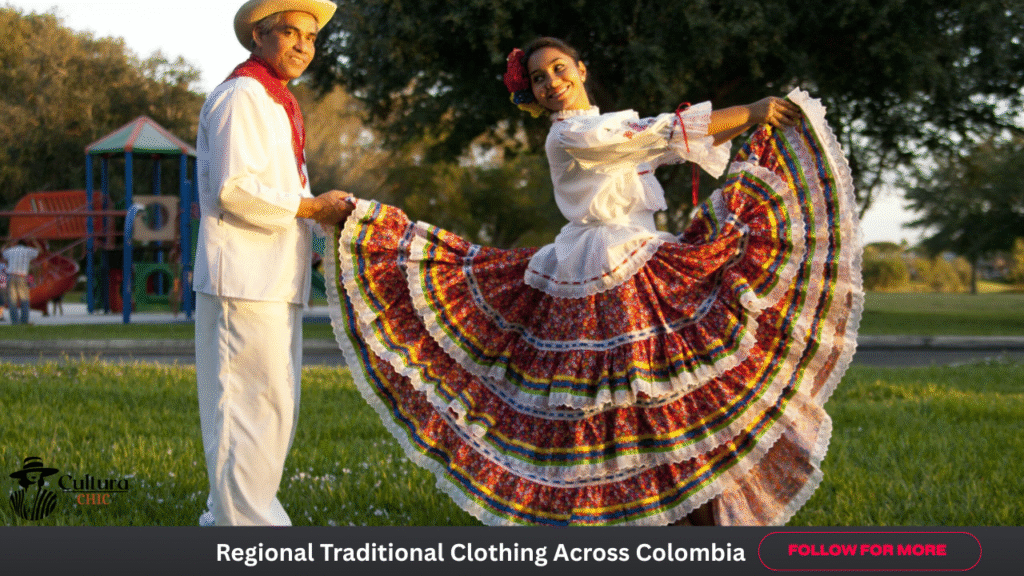
Each region in Colombia has its own style. People often ask, “How traditional Colombian attire varies by region”. The answer lies in geography and culture. From mountains to coastlines, every place has something unique to show.
Colombian Clothing by region includes rich colors, special fabrics, and unique accessories. Some areas focus on silk and bright colors, while others use wool or natural fibers. These styles reflect local values, history, and creativity.
Caribbean Region
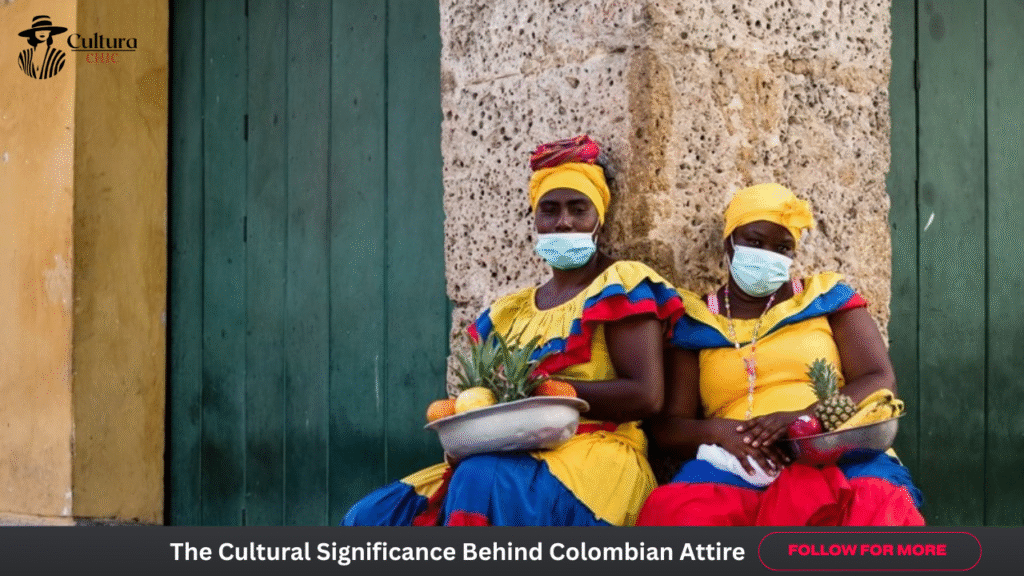
The Caribbean is home to the Caribbean Region Palenquera outfits. Women wear bright dresses and carry bowls of fruit on their heads. This tradition comes from the Afro-Colombian town of San Basilio de Palenque. The dresses are wide, colorful, and light for the hot weather.
These outfits are seen in festivals, dances, and streets of Cartagena. They are a symbol of Afro-Colombian beauty and strength. The Palenquera smile, their dress flows, and the culture comes alive in every movement.
Andean Region
The Andean region traditional clothing includes the famous Sanjuanero costume. Women wear dresses with embroidery and floral crowns. Men wear white pants, red scarves, and special hats. These outfits are used during dances and religious events.
The Andean region blends Spanish and Indigenous roots. It’s cold in some areas, so people also wear ruanas. This mix of warmth and beauty creates outfits that are both practical and artistic.
Pacific Region
In the Pacific, Pacific Region Colombian Clothing style is bold and joyful. The area has a large Afro-Colombian population, and their dresses reflect this. Women wear silk skirts in red, yellow, and blue—the national colors.
These outfits shine during festivals like San Pacho in Quibdó. They are worn while dancing Colombian music and dance styles like currulao and bunde. The fashion here is colorful, spiritual, and full of rhythm.
Orinoquía Region
In the Orinoquía, locals wear Joropo dance attire. Men wear white and wide-brimmed hats. Women dress in skirts with flowers and soft tops. This region is known for its plains and cowboy culture.
The Joropo dance costume Colombia is used in festivals and local events. It represents life in the llanos—simple, graceful, and close to nature.
Amazonia Region
The Amazon has a deep connection with nature. Amazonian Indigenous Colombian Clothing is made from tree bark, feathers, and seeds. Many still wear minimal outfits in daily life, reflecting traditions passed down for generations.
Special occasions call for the Yanchama Amazon costume, made from bark and dyed with fruits. These clothes are part of rituals and dances. The use of feather and seed accessories in Amazonian dress shows a bond with the forest.
Traditional Fabrics, Patterns, and Accessories
Traditional Colombian fabrics are diverse. They include cotton, wool, silk, and natural bark. Designs are often handmade with patterns that tell stories. In some places, you’ll see bright embroidery, while others use more earth tones.
Here is a table showing common fabrics, patterns, and accessories used in Colombian heritage wear:
| Material/Fabric | Origin/Use | Accessories | Cultural Notes |
| Cotton | Used widely across regions | Embroidered scarves, belts | Breathable and perfect for tropical climates |
| Wool | Mostly in Andean regions | Ruanas, ponchos | Warm and thick, great for high-altitude zones |
| Silk | Used in Caribbean and Pacific costumes | Headwraps, skirts | Adds shine and flow to Colombian festival clothing |
| Tree Bark (Yanchama) | Used by Amazonian tribes | Feather and seed accessories | Represents nature in Amazonian Indigenous clothing |
| Cane (caña flecha) | Used in Sombrero Vueltiao | Woven hats | Symbol of national identity |
| Bright-colored threads | Embroidery in traditional patterns | Floral crowns, lace embellishments | Found in Pollera dress Colombia and festive outfits |
Accessories are important. Colombian textiles and embroidery are famous for their colors and quality. People wear mochila bags, seed necklaces, or decorative hats. These small items carry deep meaning and show regional style.. They include cotton, wool, silk, and natural bark. Designs are often handmade with patterns that tell stories. In some places, you’ll see bright embroidery, while others use more earth tones.
Accessories are important. Colombian textiles and embroidery are famous for their colors and quality. People wear mochila bags, seed necklaces, or decorative hats. These small items carry deep meaning and show regional style.
Role of Traditional Attire in Colombian Festivals and Dances
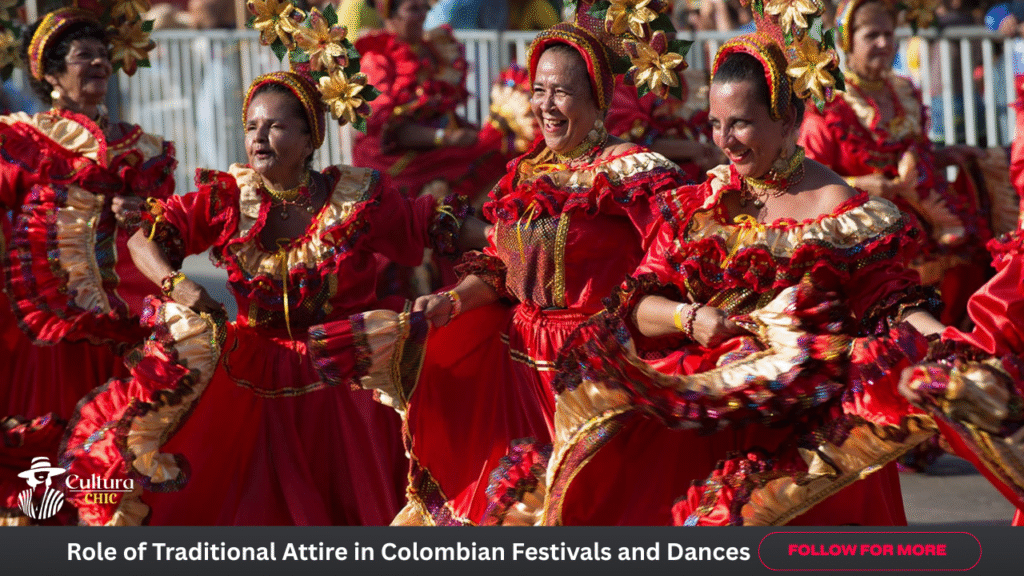
Clothing worn in Colombian festivals is full of color, joy, and pride. Every outfit is chosen with care. Whether it’s the cumbia, bullerengue, or sanjuanero, the dress brings the dance to life. Movements match the fabric’s flow.
In many events, Colombian dance outfits help tell a story. Dancers wear clothes that match the music. A cumbia costume is light and bright, while a ruana may appear in colder celebrations. These styles help keep traditions alive.
Afro-Colombian and Indigenous Influences in Clothing
Afro-Colombian traditional dress brings music and resistance to life. From the Palenqueras in Cartagena to the dancers in the Pacific, their outfits shine with pride. Bright colors, flowing skirts, and joyful headpieces are common.
Indigenous Colombian outfits are simpler but full of meaning. Clothes made from nature, like tree bark and plant-based costumes in Colombia, show deep respect for the Earth. These styles reflect both survival and spirituality.
Evolution of Traditional Wear in Modern Colombian Fashion
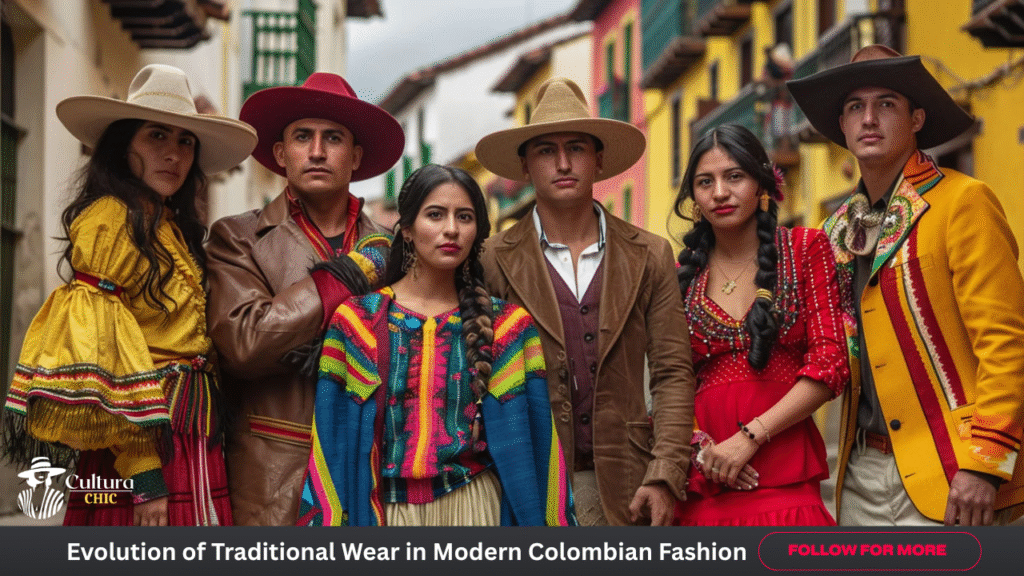
Today, many young designers mix old and new styles. They use traditional fabrics with modern cuts. Colombian cultural identity stays strong, even as fashion changes. Streetwear now includes pieces once worn only at festivals.
This mix keeps heritage alive. People wear parts of Colombian festival clothing in everyday life. A mochila bag at school, a ruana jacket in the city—tradition meets trend in powerful ways.
Handicrafts and Artisans Behind the Attire
Handmade Colombian clothes come from skilled artisans. In small towns, people still weave, sew, and dye by hand. These crafts are passed down through generations. It’s more than fashion—it’s family history.
Some regions are famous for their work. Sandoná is known for lace, and Tuchín for the Sombrero Vueltiao. These items are sold at fairs, markets, and online shops. Each piece supports local communities and keeps culture strong.
Where to Experience and Buy Traditional Colombian Clothing
Want to see these clothes in real life? Visit Colombia during a festival like the Barranquilla Carnival or San Pedro celebrations. These events show every part of the country’s culture and dress. They’re perfect for learning Colombian music and traditional attire.
If you’re in the U.S., look for cultural fairs, Latin American markets, or online artisan stores. Some museums even have special exhibits. Buying from these places supports artists and helps preserve Colombian heritage wear for the future.
Conclusion
Traditional Colombian clothing is more than style—it is the soul of a country woven into fabric. Each region, color, and pattern tells a story of pride, culture, and celebration. From the bright Colombian festival clothing to the humble rural Colombian clothing styles, these outfits connect people to their past and future. Whether you’re admiring a cumbia costume, learning about the Yanchama Amazon costume, or wearing a Sombrero Vueltiao, you are part of Colombia’s vibrant tradition. Explore, wear, and honor the rich legacy of Colombian national dress—a timeless expression of identity.
FAQs About Traditional Colombian Clothing
Q: What are the most iconic traditional Colombian outfits?
The most iconic include the Pollera dress Colombia, Sombrero Vueltiao, and Sanjuanero costume. These are used during national holidays, dances, and regional festivals.
Q: What materials are used in traditional Colombian clothing?
Traditional Colombian fabrics include cotton, wool, silk, and even tree bark, especially in Amazonian Indigenous clothing like the Yanchama Amazon costume.
Q: How does regional fashion differ across Colombia?
Colombian clothing by region varies by geography. For example, the Pacific Region Colombian dress style is silk-based and vibrant, while the Andean region traditional clothing includes warm ruanas.
Q: Are Afro-Colombian and Indigenous styles still worn today?
Yes. Afro-Colombian traditional dress and Indigenous Colombian outfits are worn in daily life and festivals, preserving Colombian cultural identity and honoring history.
Q: Where can I buy traditional Colombian clothes in the USA?
Try Latin American markets, cultural events, museum shops, or online platforms that sell handmade Colombian clothes crafted by artisans.

Welcome to Cultura Chic! I’m CHAUDHARY ALI, an AI-Powered SEO, and Content Writer with 2 years of experience.
1 thought on “Traditional Colombian Clothing”